
Antiques and Vintage Finds vs. New Merchandise
Which Texas flea markets actually deliver on used goods?
Texas has a well-earned reputation for flea markets. From the Rio Grande Valley to the Hill Country, from Houston's sprawling Airline Drive corridor to the monthly trade days scattered across small towns, the state offers more variety in outdoor and indoor markets than almost anywhere else in the country. But here's what a lot of first-time shoppers discover the hard way: not all Texas flea markets are the same, and the difference between a market that delivers genuine antiques and vintage finds versus one that's essentially an open-air retail mall can be significant.
If you're driving an hour to dig through old cast iron, flip through vinyl records, or hunt for mid-century furniture, you need to know which markets are actually worth your time. And if you're the kind of shopper who's happy browsing new boots, fresh produce, and imported goods in a lively cultural atmosphere, that's a completely different list.
This guide breaks down the Texas flea market landscape honestly, using patterns drawn from real market descriptions to help you figure out which markets are most likely to deliver what you're actually looking for. Whether you're searching for flea markets in Houston, flea markets in Dallas, flea markets in San Antonio, or smaller regional markets across the state, understanding the difference between antique-focused and merchandise-focused markets will save you time, gas money, and frustration.
What Counts as an Antique and Vintage-Focused Flea Market?
Before comparing individual markets, it helps to define what separates a genuinely antique-focused flea market from a general merchandise market that happens to have a few old items mixed in.
Based on patterns across the market descriptions, antique and vintage-focused flea markets tend to share several characteristics. First, they explicitly mention antiques, collectibles, vintage items, or secondhand goods as primary draws rather than incidental finds. Second, they tend to attract vendors who specialize in specific categories — vinyl records, retro video games, cast iron cookware, vintage tools, comics, estate items — rather than vendors who carry a broad mix of new merchandise. Third, they often have some mechanism that limits vendor duplication or encourages specialty sellers, which keeps the inventory from feeling like a wholesale liquidation event. Fourth, shoppers at these markets describe the experience as a hunt, where patience and early arrival are rewarded with genuine finds.
By contrast, merchandise-focused flea markets tend to emphasize clothing, boots, electronics, phone accessories, jewelry, and imported goods. These markets are often culturally rich and genuinely enjoyable, but the inventory skews toward new or near-new products rather than secondhand or vintage items. The distinction matters enormously if you're a serious antique hunter, because spending three hours at a market that's 90% new clothing and phone cases is a very different experience than spending three hours at a market where every other booth has something old and interesting.
With that framework in mind, here's how Texas flea markets actually stack up.
The Texas Flea Markets Most Likely to Deliver Antique and Vintage Finds
Bussey's Flea Market (Near Schertz and San Antonio)
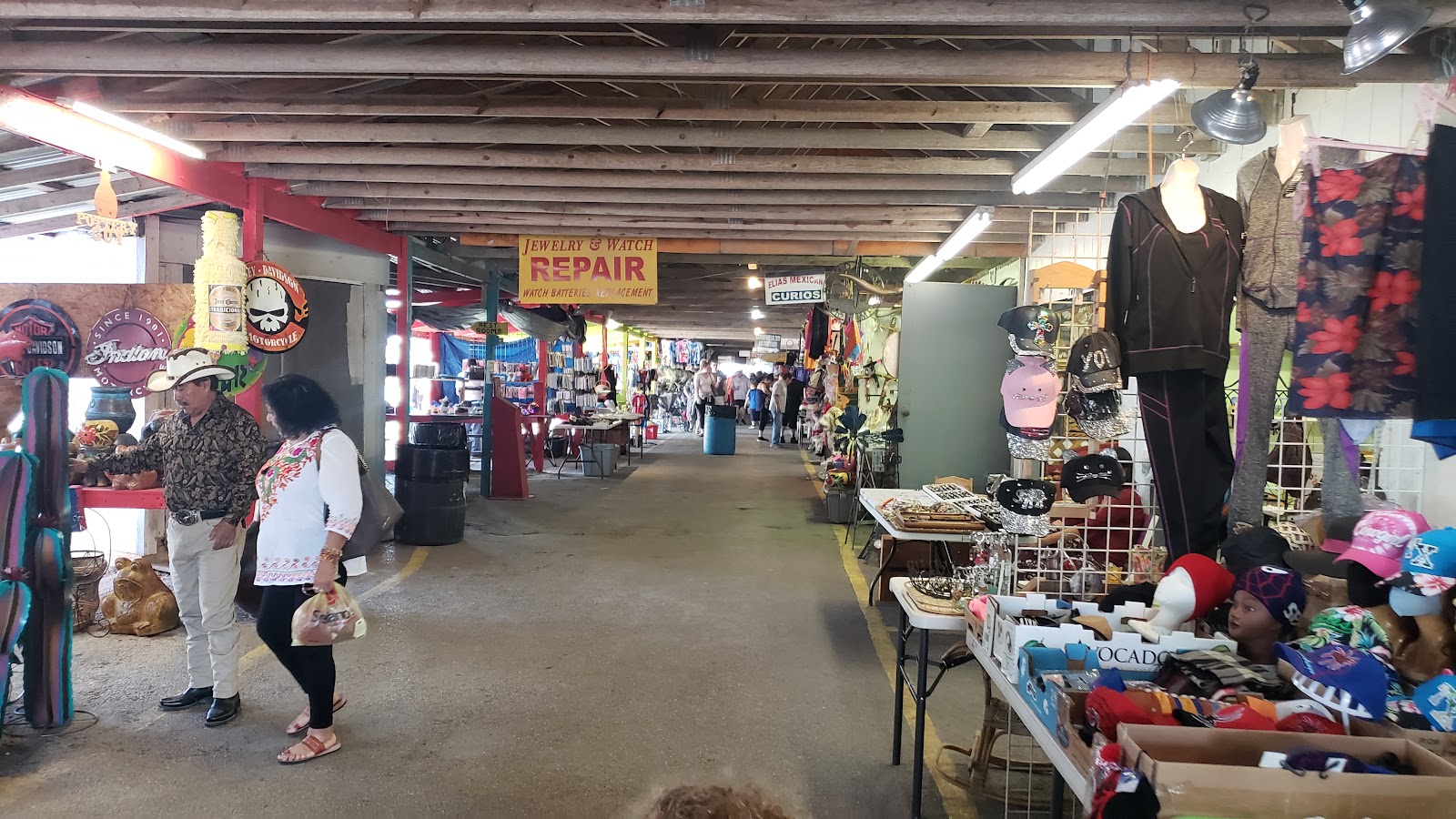
If there's one flea market in Texas that reads most clearly as an antique and collectibles destination, it's Bussey's. The description specifically calls out antiques, collectibles, vintage tools, cast iron cookware, vinyl records, retro video games, comics, plants, and handmade goods like soaps and quilts as the market's identity. That's not a list of incidental finds — that's a curated character.
What makes Bussey's particularly interesting for serious vintage shoppers is the layout. The covered indoor sections are described as maze-like, with new booths revealing themselves as you turn corners. That kind of layout tends to attract specialty vendors who want a more permanent, sheltered setup — exactly the type of seller who brings consistent, curated inventory rather than a truckload of new merchandise. The market has a loyal following built over decades, which is another signal that it's serving a specific audience rather than just drawing foot traffic.
The practical notes are worth keeping in mind: most vendors open closer to 9 AM, and many begin packing up around 3 PM, so mid-morning is the sweet spot. Sundays tend to draw more vendors than Saturdays. Some shoppers note that vendor count has thinned compared to years past, and the mix includes both genuine finds and more common merchandise — but that's true of virtually every flea market in Texas.
Fredericksburg Trade Days (Fredericksburg, TX)
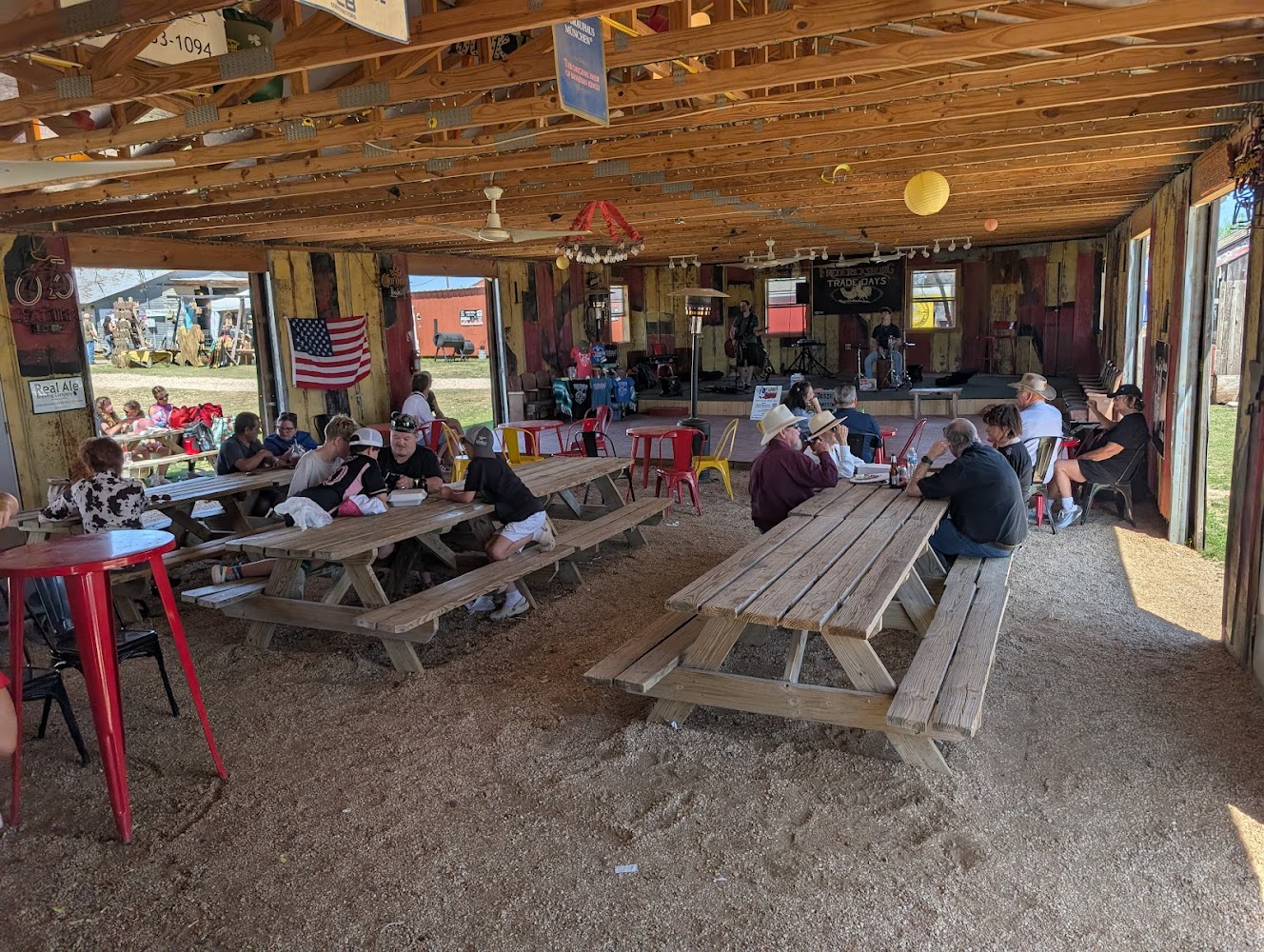
Fredericksburg Trade Days stands out in the Texas flea market landscape for a reason that's explicitly mentioned in its description: organizers appear to limit vendor duplication. That single detail is significant. At most large flea markets, you'll encounter the same phone cases, the same knockoff sunglasses, and the same imported clothing repeated across dozens of booths. Fredericksburg Trade Days actively works against that pattern, which creates a more curated environment for shoppers looking for handmade goods, vintage items, antiques, clothing boutiques, furniture, and one-of-a-kind finds.
The market runs on the third weekend of each month and spans five large barns plus outdoor vendor spaces. The Hill Country setting and the monthly schedule both contribute to a different vendor profile than you'd find at a weekly market. Monthly markets tend to attract vendors who travel specifically for the event, which often means more interesting, curated inventory than you'd find from permanent weekly vendors who are simply moving product.
For vintage shopping in Texas, Fredericksburg Trade Days is one of the more reliable options in the state, particularly for shoppers who appreciate furniture, jewelry, and handmade goods alongside more traditional antique finds.
Larry's Old Time Trade Days (Winnie, TX)
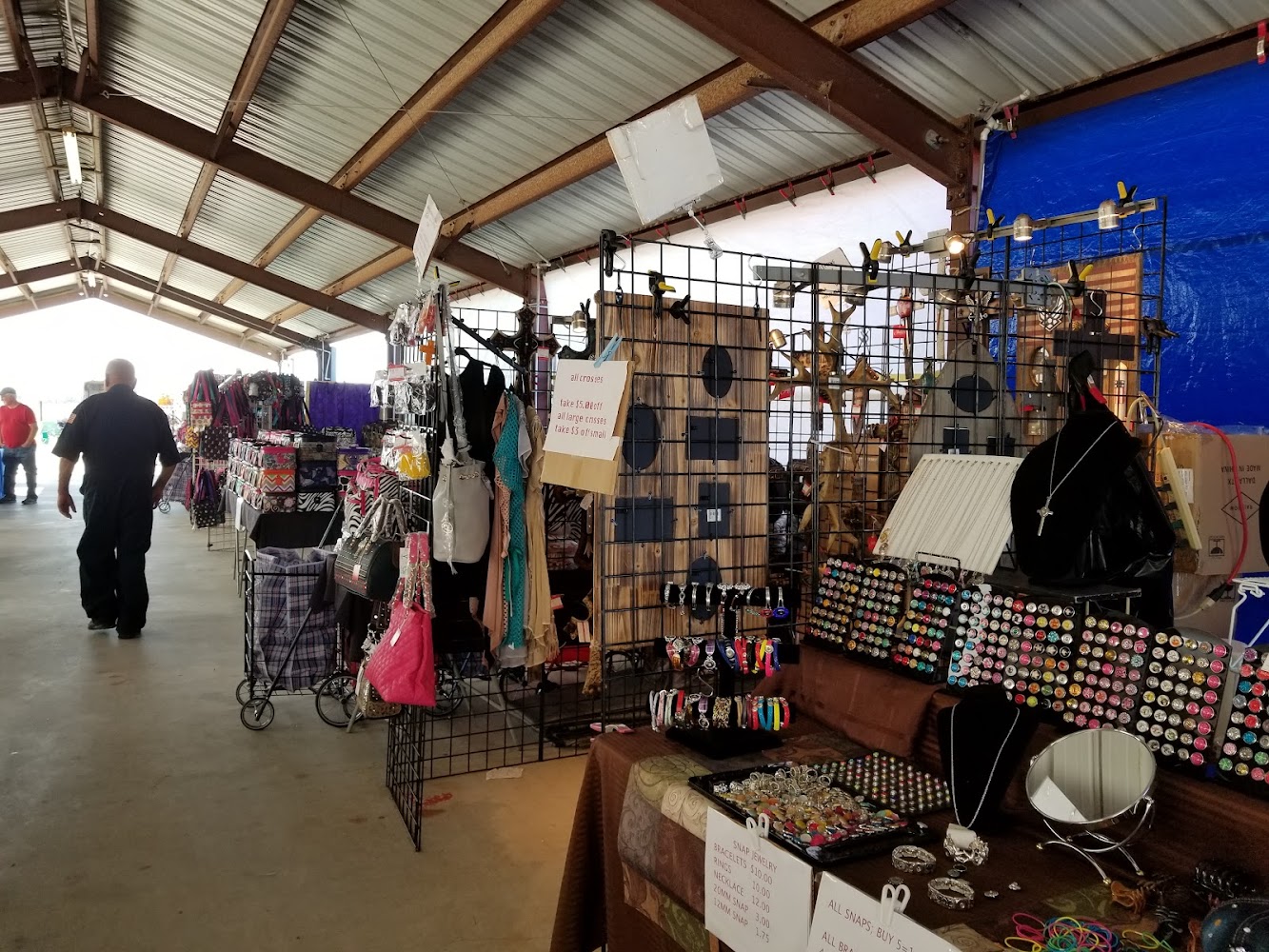
Larry's Old Time Trade Days in Winnie is another monthly market with a strong antique and collectibles identity. The description specifically highlights antiques, handmade crafts, rustic and refurbished furniture, metal yard art, vinyl records, homemade jams and jellies, and a wide range of collectibles. The carnival-style food atmosphere — funnel cakes, fresh cracklings, kettle popcorn, BBQ — gives it a character that regulars clearly return to as much as the shopping itself.
Like Fredericksburg Trade Days, the monthly schedule means vendor turnout varies, and the description notes that the number of active vendors can fluctuate depending on weather and time of year. But on a well-attended weekend, the combination of permanent indoor shops, covered pavilions, and outdoor vendor spaces gives it enough range to reward serious browsers. Scooter rentals are available for those who need them, which is a practical detail that signals the grounds are genuinely large.
Trade City Second Monday Trade Days (Bowie, TX)
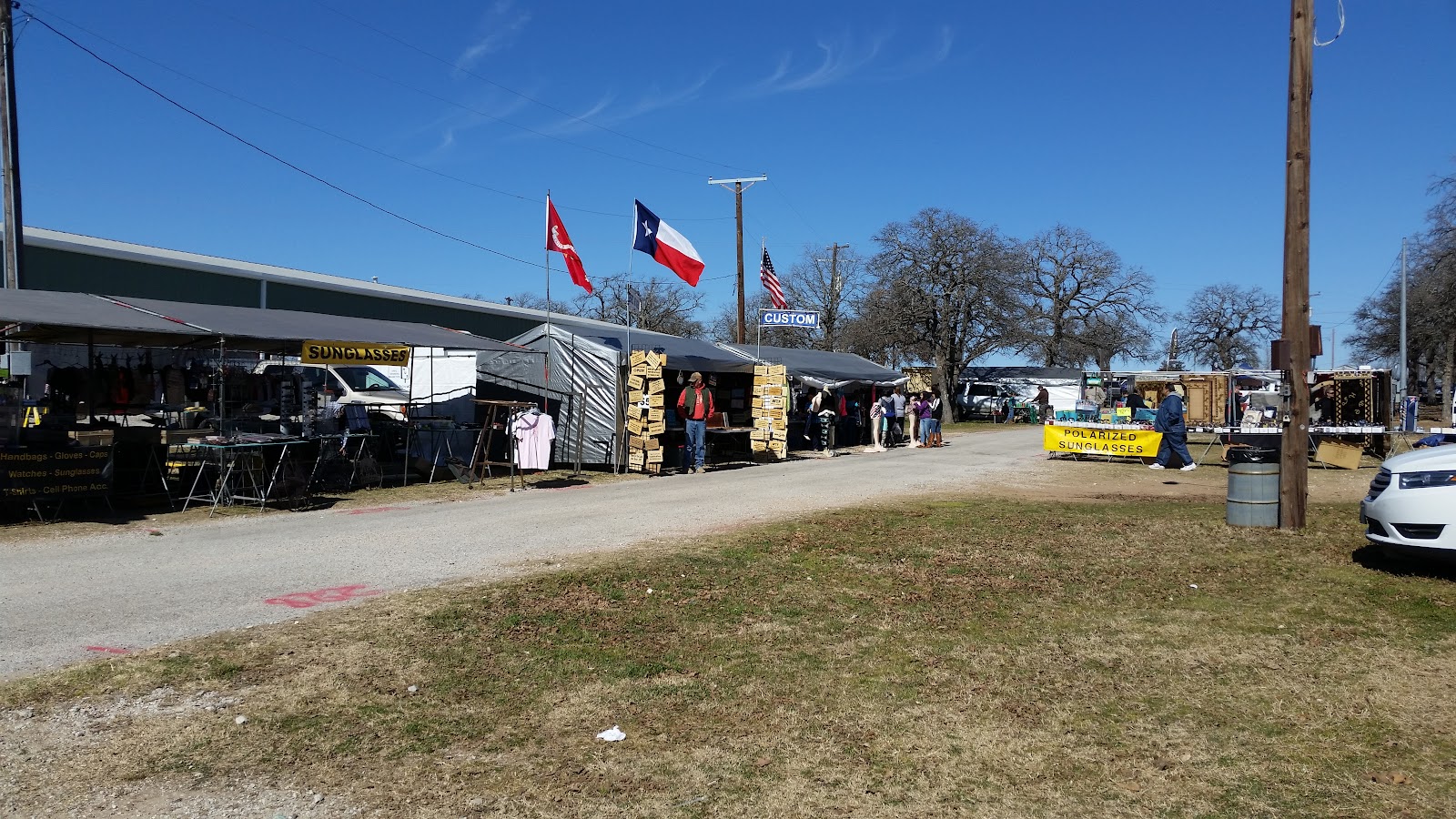
Trade City Second Monday Trade Days in Bowie is a monthly market that draws shoppers from hours away, and the description gives a clear sense of why: hand-forged tools, antiques, live animals, plants, jewelry, collectibles, and handmade crafts. The animal section — featuring chickens, goats, doves, puppies, and occasionally small livestock — is a consistent highlight that sets this Bowie flea market apart from more typical markets.
The hand-forged tools detail is worth noting specifically. That's not a category you find at general merchandise markets. It signals a vendor base that includes craftspeople and specialty sellers, which tends to correlate with more interesting inventory across the board. Saturday is the busiest day with the most vendors and food options; Sunday is slower with fewer stalls open.
Olde Security Square Flea Market (Near Cleveland, TX)
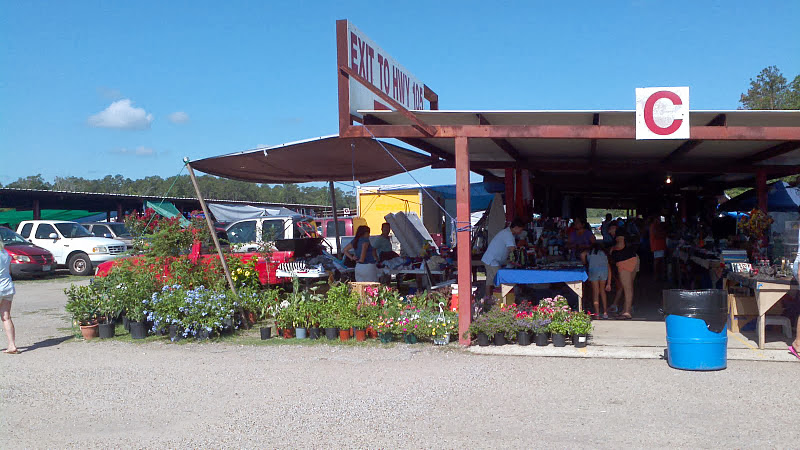
Olde Security Square near Cleveland is one of the more interesting markets in the Houston region for vintage shoppers. The description calls out retro video games, Pokémon cards, rock and roll memorabilia, handmade cedar furniture, leather goods, and dragon and fairy statues alongside more standard categories like tools, antiques, collectibles, fresh produce, clothing, and furniture. That specificity — the rock and roll memorabilia, the retro games — suggests a vendor base with genuine specialty sellers rather than just general merchandise.
The layout includes a large air-conditioned main building alongside covered and open-air outdoor stalls. Sunday draws the most vendors and the best deals, as sellers often mark down prices to avoid packing up. For shoppers in the Houston area looking for vintage finds without driving to a monthly market, Olde Security Square is worth the trip to Cleveland.
Mission Open Air Market (San Antonio, TX)
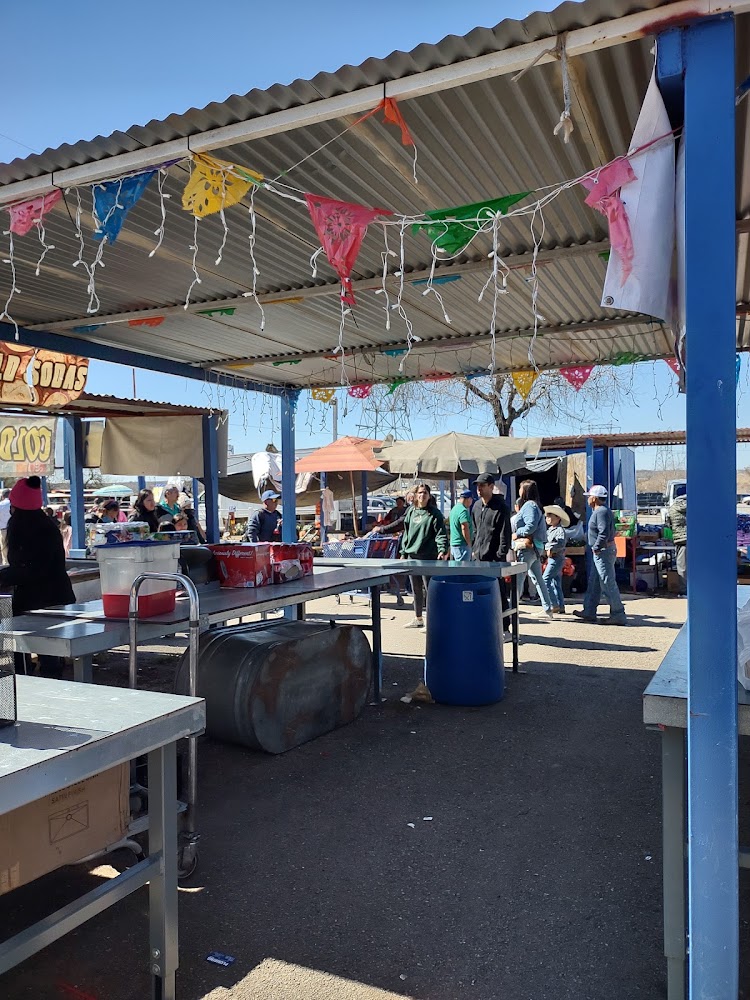
Mission Open Air Market in San Antonio explicitly lists antiques and collectibles among its vendor categories, alongside tools, clothing, shoes, furniture, appliances, fresh produce, plants, and electronics. The description notes that the mix of longtime regulars and one-time garage-sale-style sellers keeps the inventory unpredictable in a good way — which is exactly the kind of language that signals genuine secondhand finds rather than curated new merchandise.
The garage-sale-style sellers are a particularly important detail. Those vendors are the ones most likely to bring estate items, inherited collections, and genuinely old goods rather than wholesale inventory. Arriving before 9 AM is consistently recommended, both to beat the heat and to catch vendors before they begin packing up around noon.
Ascarate Flea Market (El Paso, TX)
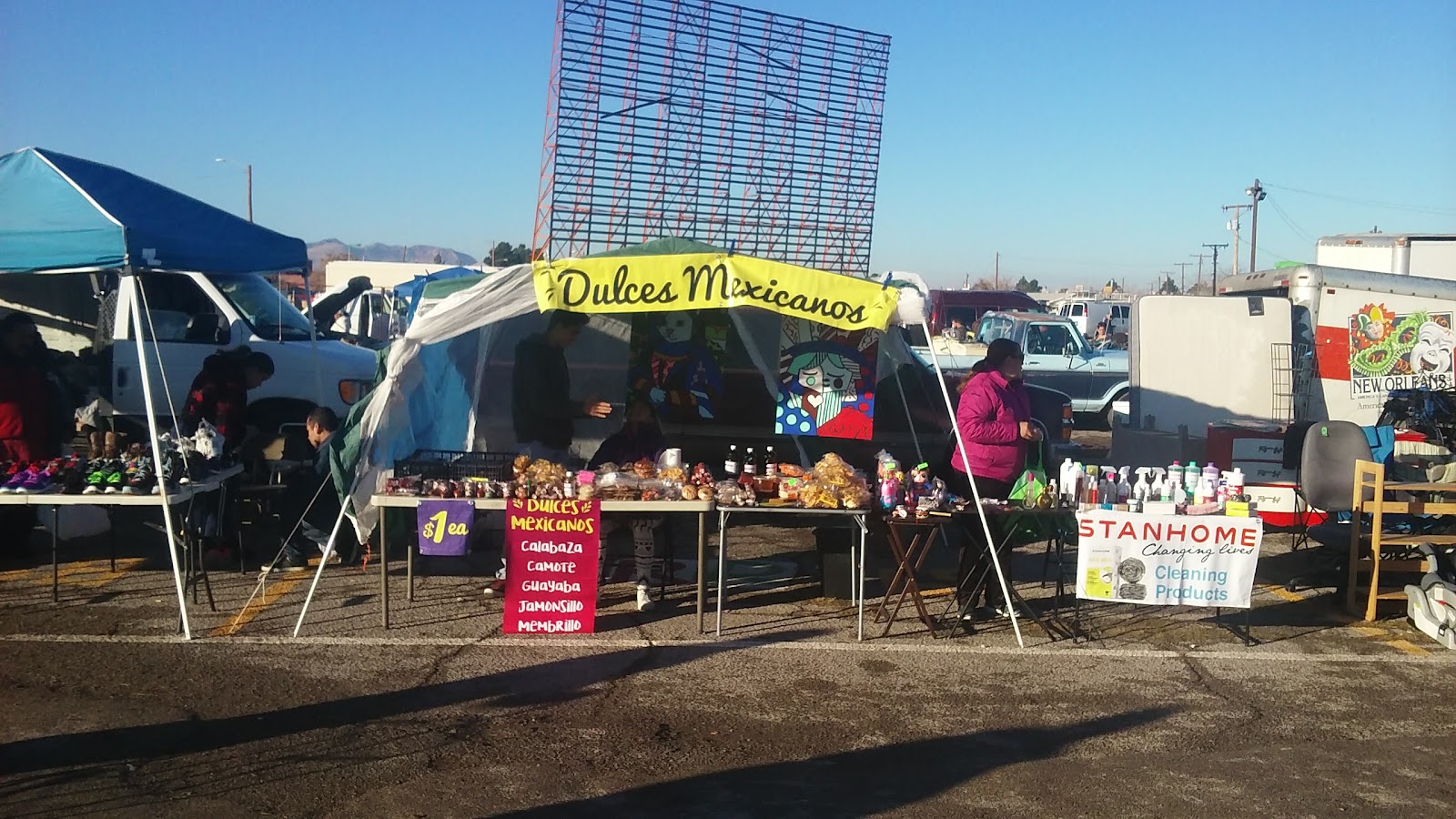
Ascarate Flea Market in El Paso has a specific identity that sets it apart from most Texas flea markets: it's especially well-stocked with tools, used furniture, clothing, electronics, vintage toys, collectibles, produce, and military surplus items. The military surplus category is unusual and worth noting — it's not something you find at most Texas flea markets, and it signals a vendor base that sources from genuinely different channels than typical merchandise markets.
The description also mentions a specialty vendor noted for Hot Wheels and vintage toys, which is the kind of specific detail that indicates real collector-oriented sellers. Vendors begin packing up around 1 PM, and some give items away near closing rather than hauling them back — which creates an interesting late-morning window for bargain hunters. Arriving early, ideally by 6 or 7 AM, is consistently recommended.
Pearland Flea Market (Pearland, TX)
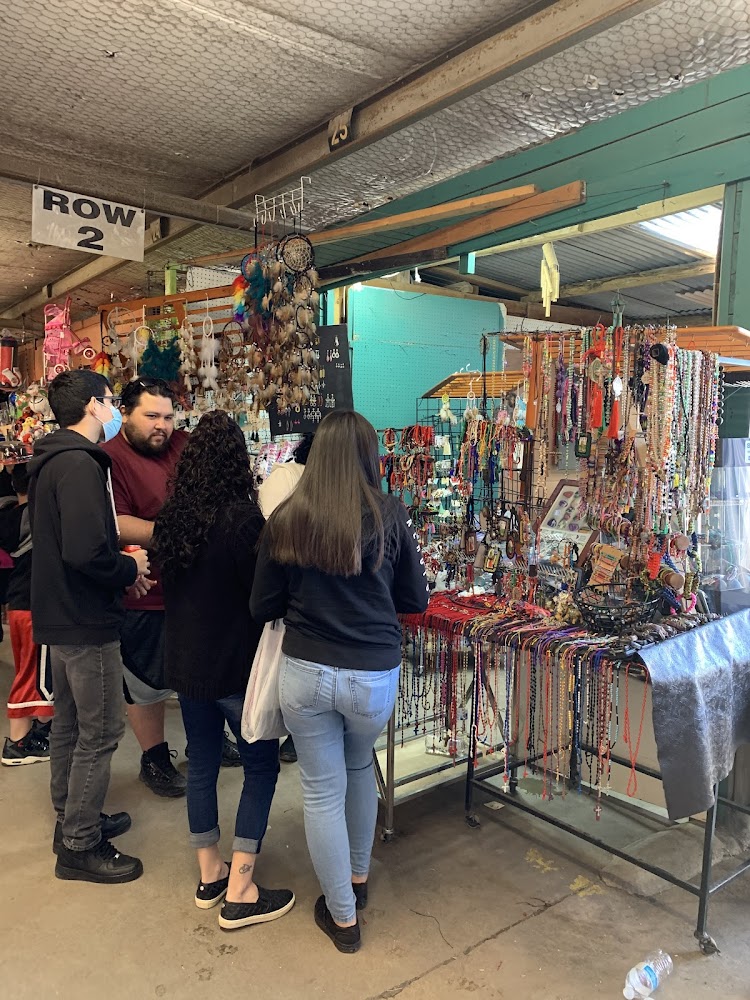
Pearland Flea Market near Houston explicitly lists antiques and collectibles among its vendor categories alongside tools, car parts, furniture, plants, jewelry, religious items, and leather goods. The description notes that exploring beyond the main entrance often leads to better finds, which is a recurring pattern at markets where the most interesting vendors tend to set up away from the high-traffic areas.
The National Flea Market (Lubbock, TX)
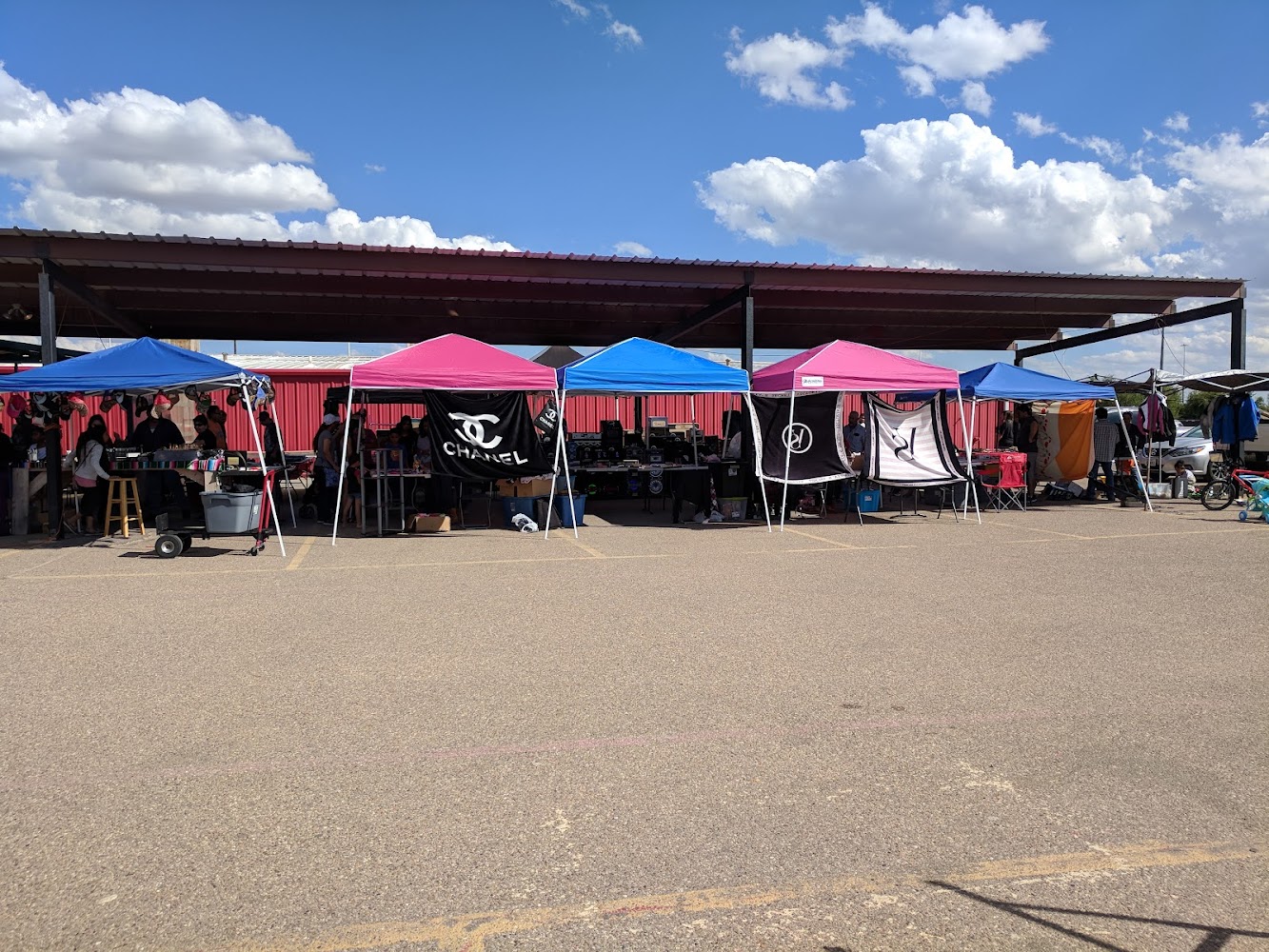
The National Flea Market in Lubbock is worth including here with a caveat. The description mentions antique mirrors, handmade leather holsters, sterling silver jewelry, vintage games, and home décor as specific finds, but also notes that some vendors carry similar or newer merchandise rather than true vintage finds. That honest qualifier is useful — it means Lubbock's National Flea Market is a mixed bag for antique hunters, with genuine finds available but not guaranteed.
Texas Flea Markets That Lean More Toward New Merchandise
Several Texas flea markets are genuinely excellent destinations, but they skew heavily toward new merchandise rather than antiques or secondhand goods. Understanding this helps set expectations before you make the drive.
Sunny Flea Market on Airline Drive in Houston is explicitly described as leaning toward new goods — clothing, accessories, and household items — rather than antiques or secondhand finds. The description even includes a direct note that shoppers looking for vintage or used items may want to set expectations accordingly. It's a fantastic market for food, atmosphere, and new merchandise, but it's not where serious antique hunters should focus their energy.
Tia Pancha in Houston is similarly oriented toward new merchandise — clothing, boots, leather belts, hats, tools, toys, jewelry, plants, and electronics — with the food and cultural atmosphere being the primary draws. The description doesn't mention antiques or vintage items at all.
Garibaldi Bazaar and Harry Hines Bazaar in Dallas are both indoor markets with a strong focus on quinceañera dresses, western wear, jewelry, electronics, cell phone repair, and Mexican goods. Both are culturally rich and worth visiting for their specific strengths, but neither is described as a destination for antiques or vintage shopping.
Mercadome Flea Market in Alamo and Pulga de Álamo in Alamo are both Rio Grande Valley markets with strong produce, clothing, boots, and cultural goods, but neither description mentions antiques or vintage items as a draw.
La Pulga Seagoville near Dallas is primarily known for its Mexican street food and carries clothing, boots, tools, plants, car audio equipment, furniture, and imported items — but no mention of antiques or vintage goods.
Mercado Sabadomingo in Houston is described as feeling more like a fair than a traditional flea market, with its identity built around food, live music, and cultural atmosphere rather than secondhand merchandise.
Regional Differences Across Texas
Texas is large enough that regional patterns in flea market inventory are real and worth understanding before planning a trip.
Houston has a large number of flea markets, but most of them lean heavily toward new merchandise, food, and cultural atmosphere. Traders Village Houston is the largest and most varied, with collectibles mentioned among its categories, but the description also notes that vendor selection can be repetitive and that the best unique finds tend to be toward the back of the market. Olde Security Square near Cleveland is the Houston-area market most clearly oriented toward vintage and collectible shoppers.
Dallas flea markets like Garibaldi Bazaar, Harry Hines Bazaar, and Bargin City Bazaar are primarily indoor mercado-style markets focused on new merchandise, western wear, and Latin American goods. Bussey's near Schertz is technically closer to San Antonio, but it's the most antique-focused market in the broader region.
San Antonio offers Mission Open Air Market, which has genuine antique and collectible vendors mixed in with its broader inventory, and Flea Mart on the Poteet Jourdanton Freeway, which mentions diecast collectibles but is primarily a general merchandise and food market.
The Rio Grande Valley — including markets in Brownsville, Mission, and Alamo — is dominated by produce, clothing, boots, and food markets. The 77 Flea Market in Brownsville mentions antiques, but the overall character of Valley markets skews toward everyday goods and fresh produce rather than vintage shopping.
The Hill Country and smaller Texas towns offer some of the most interesting options for antique hunters. Fredericksburg Trade Days is the standout, with its curated vendor selection and monthly schedule creating a genuinely different shopping environment. Larry's Old Time Trade Days in Winnie and Trade City in Bowie both serve similar audiences with strong antique and collectibles identities.
West Texas and the Panhandle are represented by Ascarate Flea Market in El Paso and the National Flea Market in Lubbock, both of which have vintage and collectible elements but with varying consistency.
Best Texas Flea Markets for Serious Antique Hunters
If your primary goal is antiques, vintage collectibles, and secondhand goods, the markets most likely to reward your time based on the available descriptions are:
Bussey's Flea Market near San Antonio for its explicit antique and collectibles identity, maze-like indoor layout, and specialty vendor base including vinyl records, cast iron, and retro video games.
Fredericksburg Trade Days for its curated vendor selection, limited duplication policy, and strong mix of vintage items, antiques, furniture, and handmade goods in a Hill Country setting.
Larry's Old Time Trade Days in Winnie for antiques, vinyl records, rustic furniture, and collectibles in a monthly market format.
Trade City Second Monday Trade Days in Bowie for hand-forged tools, antiques, collectibles, and a genuinely unusual market character that includes live animals.
Olde Security Square near Cleveland for retro video games, rock and roll memorabilia, and antiques in the Houston region.
Best Texas Flea Markets for Bargain Hunters
For shoppers who care more about deals than specifically vintage items, several markets stand out for value across categories.
The 77 Flea Market in Brownsville and Mercadome in Alamo both offer fresh produce at prices consistently below grocery store rates, alongside tools, clothing, and everyday goods at competitive prices. Ascarate Flea Market in El Paso is specifically noted for solid deals on power tools, with vendors sometimes giving items away near closing rather than hauling them back. Mission Open Air Market in San Antonio draws garage-sale-style sellers whose pricing tends to be more flexible than permanent vendors.
Tips for Finding Better Vintage and Antique Items at Texas Flea Markets
Several patterns emerge consistently across the market descriptions that apply specifically to shoppers hunting for vintage and antique items.
Arrive early. This is the single most consistent piece of advice across every market description. At antique-focused markets, the best items go first. At general merchandise markets, early arrival means cooler temperatures and less competition for parking. At Ascarate in El Paso, arriving by 6 or 7 AM is specifically recommended. At Mission Open Air Market, vendors begin packing up around noon.
Head toward the back. At Traders Village Houston, the description specifically notes that the best unique finds tend to be toward the back of the market. This pattern holds at most large markets — the front sections fill with high-traffic merchandise vendors, while specialty and vintage sellers often set up further in.
Browse before committing. Multiple descriptions note that prices vary noticeably between vendors selling similar items. At markets with genuine antique vendors, this is especially true — one vendor's price on a piece of cast iron or a vintage tool can be dramatically different from another's.
Prioritize monthly markets for curated inventory. Fredericksburg Trade Days, Larry's Old Time Trade Days, and Trade City in Bowie all operate on monthly schedules. Monthly markets tend to attract vendors who travel specifically for the event, which correlates with more interesting and curated inventory than permanent weekly vendors.
Look for maze-like or covered indoor sections. At Bussey's, the maze-like covered indoor layout is specifically associated with specialty vendors. Markets with permanent indoor sections tend to have more consistent specialty sellers than purely outdoor markets.
Haggling is expected at most markets. Multiple descriptions note that prices are negotiable and that comparing before committing tends to pay off. This is especially true at antique and collectibles markets where pricing is inherently subjective.
Conclusion
Texas flea markets cover an enormous range of experiences, and the gap between an antique-focused market and a general merchandise market is wider than most shoppers expect before their first visit. For serious vintage and antique hunters, the clearest destinations based on available descriptions are Bussey's Flea Market near San Antonio, Fredericksburg Trade Days in the Hill Country, Larry's Old Time Trade Days in Winnie, Trade City Second Monday Trade Days in Bowie, and Olde Security Square near Cleveland. These markets have explicit antique and collectibles identities, specialty vendor bases, and the kind of inventory that rewards patient, early-arriving shoppers.
Markets like Sunny Flea Market in Houston, Garibaldi Bazaar in Dallas, and the Rio Grande Valley markets in Alamo, Mission, and Brownsville are genuinely excellent destinations for food, culture, fresh produce, and new merchandise — but they're not where you should go if vintage shopping in Texas is your primary goal.
The best approach is to match your expectations to the market's actual identity. Texas has enough flea markets that you don't have to compromise — you just have to know which one fits what you're actually looking for.
Frequently Asked Questions
Which Texas flea markets are best for antiques and vintage items?
Based on market descriptions, Bussey's Flea Market near San Antonio, Fredericksburg Trade Days, Larry's Old Time Trade Days in Winnie, Trade City Second Monday Trade Days in Bowie, and Olde Security Square near Cleveland are the most consistently associated with antiques, collectibles, and vintage goods.
Are most Texas flea markets focused on new merchandise or used goods?
The majority of large Texas flea markets lean toward new merchandise — clothing, boots, electronics, phone accessories, and imported goods. Markets with a genuine antique and vintage identity tend to be monthly markets or smaller specialty markets rather than large weekly operations.
What's the best day to visit a Texas flea market for antiques?
Sunday is the most commonly recommended day across multiple market descriptions, as it tends to draw more vendors and foot traffic. However, arriving early — before 9 or 10 AM — is consistently more important than which day you choose.
Do Texas flea markets accept credit cards?
Most Texas flea markets strongly prefer cash, and many vendors are cash-only. Markets like Bussey's and Larry's Old Time Trade Days note that some vendors accept cards, but bringing cash is the safest approach at virtually every market described here.
Which flea markets in Houston are best for vintage shopping?
Olde Security Square near Cleveland is the Houston-area market most clearly oriented toward vintage and collectible shoppers, with retro video games, rock and roll memorabilia, and antiques specifically mentioned. Traders Village Houston and Pearland Flea Market both mention collectibles but have more mixed inventory overall.
Are Rio Grande Valley flea markets good for antiques?
The Rio Grande Valley markets — including the 77 Flea Market in Brownsville, Mercadome in Alamo, Pulga de Álamo in Alamo, and Palmview Pulga near Mission — are primarily known for fresh produce, clothing, boots, and food rather than antiques or vintage goods. The 77 Flea Market mentions antiques among its categories, but the overall character of Valley markets skews toward everyday goods.
What should I bring to a Texas flea market?
Cash is essential at virtually every market. Comfortable walking shoes are recommended at every large market described here. Sun protection and water matter significantly at outdoor markets during warmer months. Arriving early — before 9 or 10 AM at most markets — consistently produces better results for both parking and inventory selection.