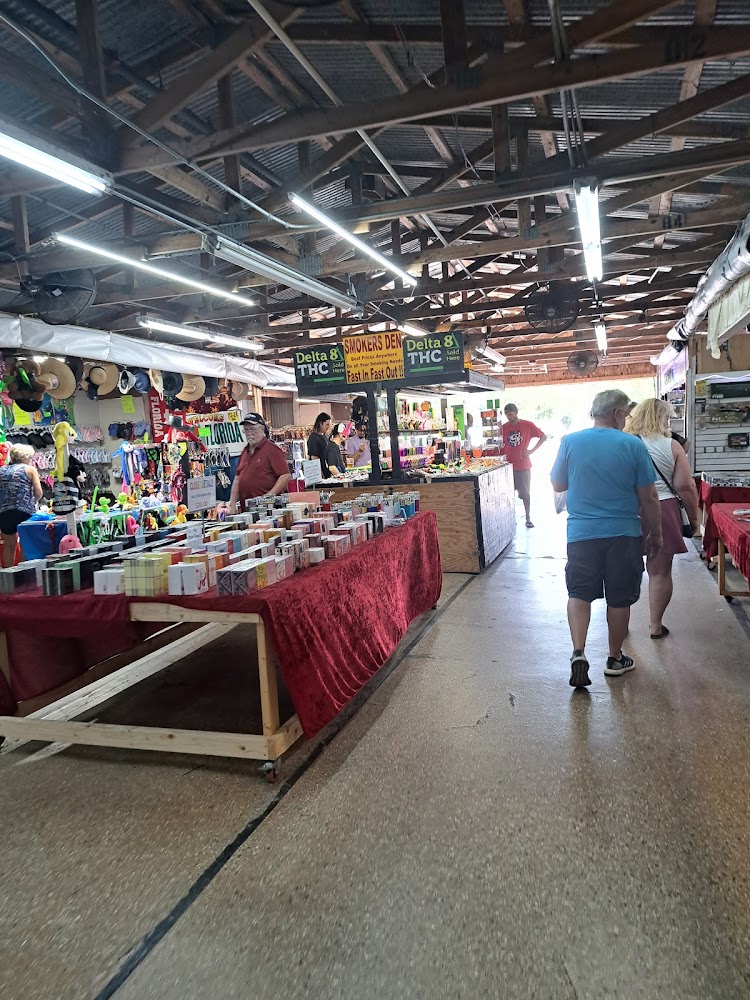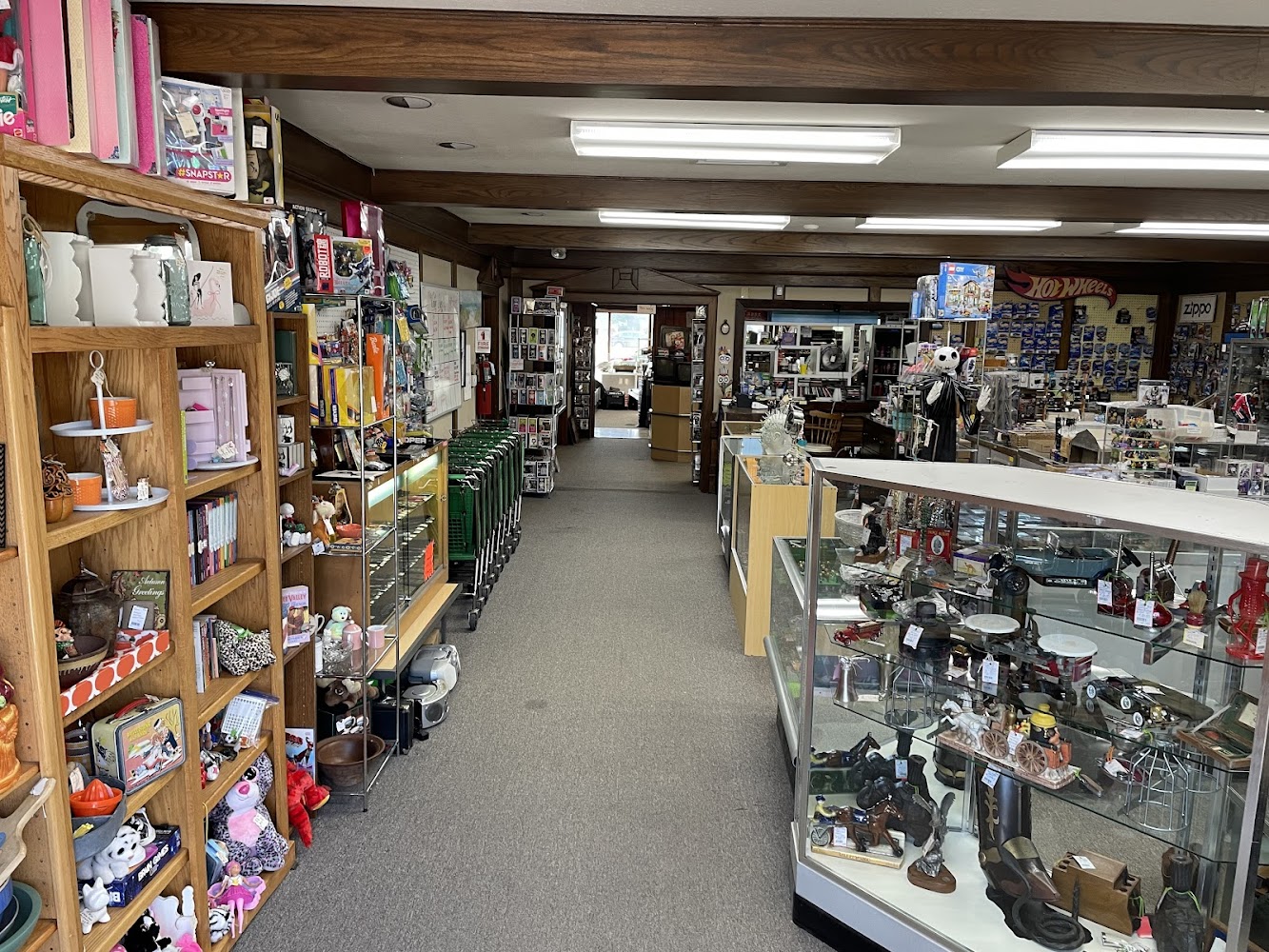
Find Top Flea Markets in the United States
Explore flea markets across the United States, from large swap meets to local hidden gems. Discover antiques, collectibles, vintage finds, food vendors, and unique shopping experiences near you.
Find Flea Markets Near You with Better Local Insights
Searching for flea markets near me can bring up a long list of results, but it does not always tell you which markets are actually worth visiting. Flea Market Spot is being built state by state to make that search easier, with curated flea market guides based on real shopper feedback, vendor variety, atmosphere, pricing, and the overall experience visitors can expect.
For each state guide, we review thousands of customer comments and shopper reviews — typically between 2,500 and 5,000 reviews per state — to identify the flea markets that stand out. Instead of only listing basic business information, our goal is to help you understand what each market is known for, whether that includes antiques, vintage finds, bargain shopping, handmade goods, food vendors, fresh produce, tools, collectibles, or family-friendly weekend browsing.
Whether you are planning a road trip, looking for a weekend market nearby, or trying to compare flea markets before you go, our directory is designed to help you find local markets with confidence. As new state pages are added, Flea Market Spot will continue expanding into a nationwide resource for discovering the best flea markets across the United States.
Search Flea Markets by State
Explore flea market guides by state, with curated listings, shopper tips, and review-based summaries to help you find markets worth visiting.
Flea Market FAQs
From massive outdoor swap meets to indoor antique malls and weekend community markets, flea markets across the United States can vary widely in size, atmosphere, pricing, and vendor selection. Below are some of the most common questions shoppers ask before visiting a flea market.
What can you typically find at flea markets?
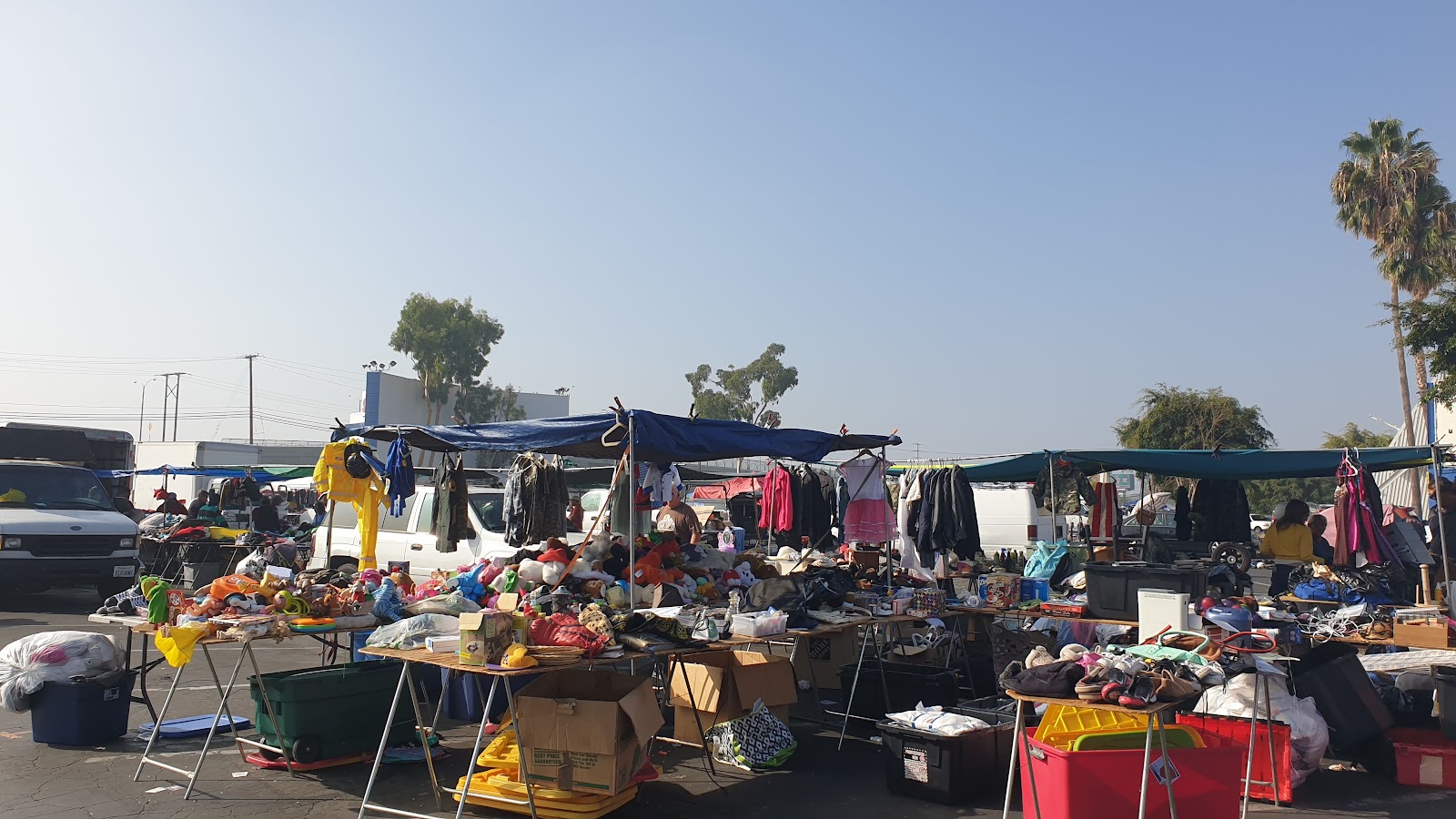
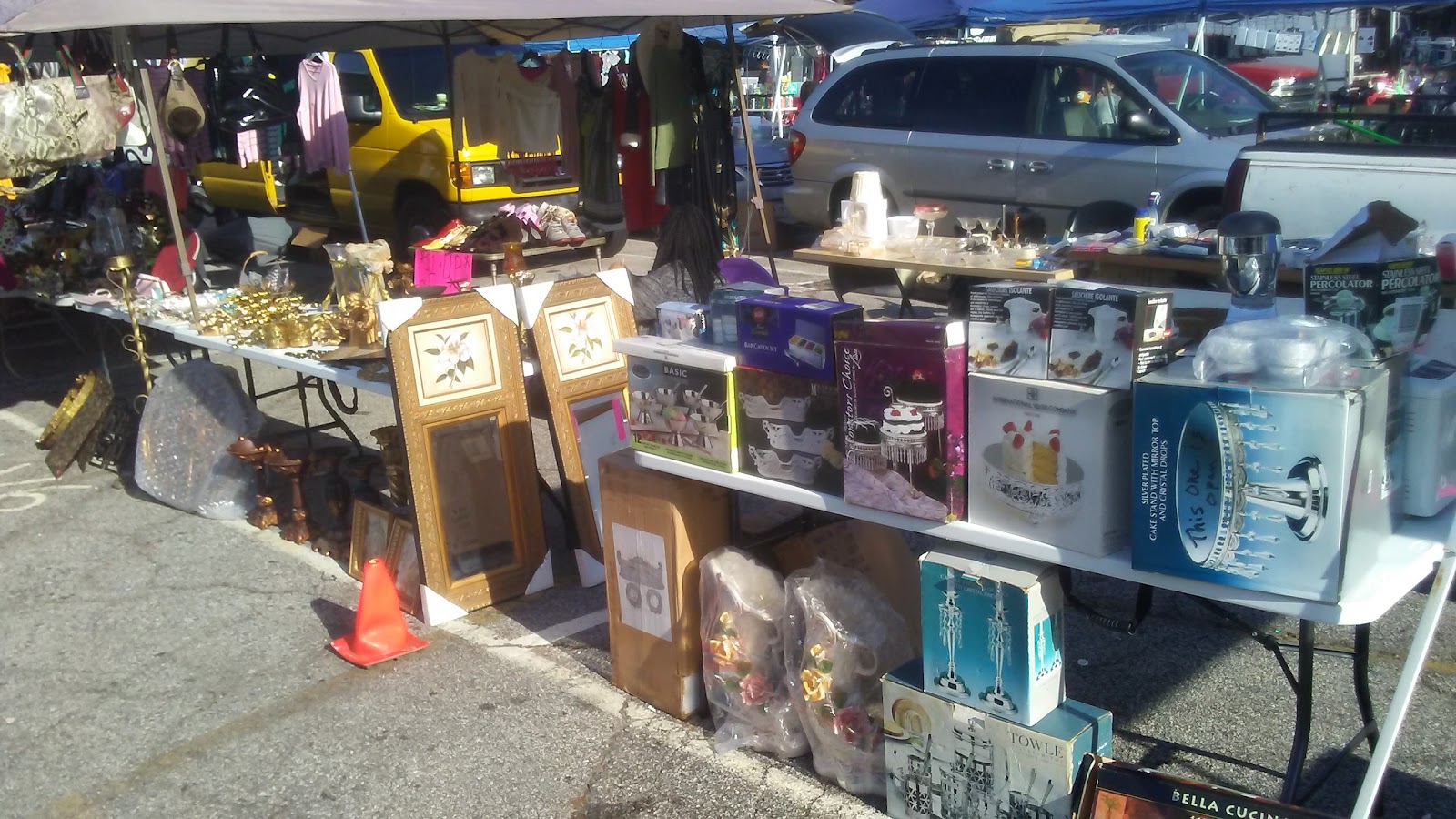
Most flea markets feature a mix of antiques, collectibles, vintage items, clothing, jewelry, tools, furniture, handmade crafts, electronics, toys, fresh produce, and local food vendors. Larger markets often have hundreds of vendors with constantly changing inventory.
Are flea markets cash only?
Many flea market vendors still prefer cash, especially at outdoor swap meets and smaller community markets. However, larger flea markets increasingly have vendors that accept debit cards, credit cards, and mobile payment apps. Bringing both cash and cards is usually recommended.
What time should you arrive at a flea market?
Early mornings are usually best for finding rare items, antiques, collectibles, and the best parking. Arriving later in the day may offer better opportunities for discounts as vendors prepare to close.
Are flea markets family friendly?
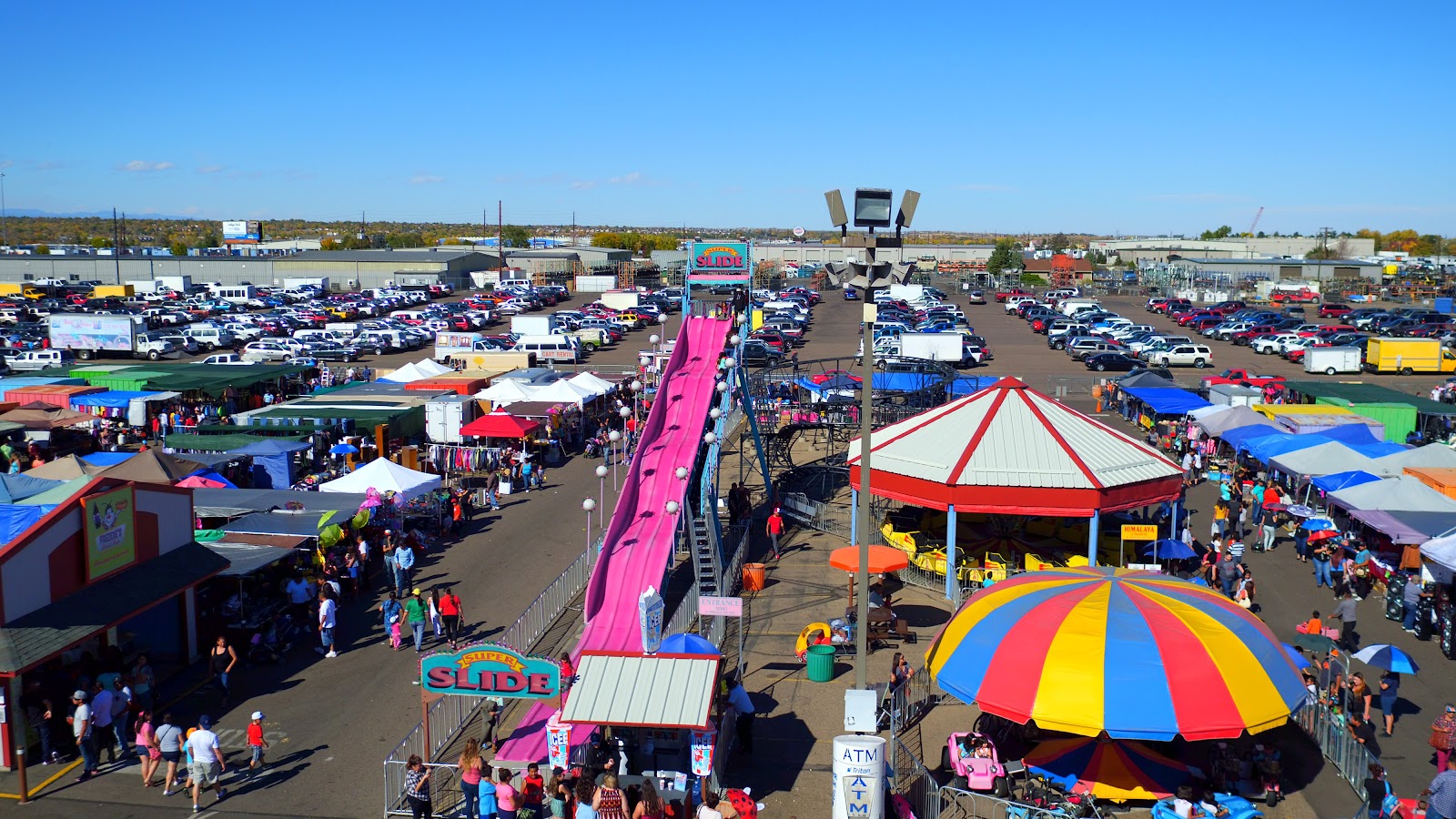
Many flea markets are family friendly and include food vendors, live entertainment, snack stands, produce vendors, and open walking areas. Some larger markets even include carnival rides, petting zoos, or live music during weekends and seasonal events.
Do flea markets happen year round?
Some flea markets operate year round, especially indoor markets and warmer southern locations. Others are seasonal or weekend-only events that depend on weather and local tourism patterns.
Are prices negotiable at flea markets?
Negotiating prices is common at many flea markets, especially when purchasing multiple items. Vendors may offer discounts later in the day or for bundled purchases, though handmade and specialty items may have firmer pricing.
What should you bring to a flea market?
Comfortable walking shoes, water, sunscreen, reusable shopping bags, and cash are commonly recommended by experienced flea market shoppers. Large outdoor markets often require a significant amount of walking.
Are pets allowed at flea markets?
Pet policies vary by market. Many outdoor flea markets allow leashed pets, while some indoor markets and event venues may restrict animals except for service animals. Checking the market’s official website before visiting is recommended.
What types of flea markets are most common in the United States?
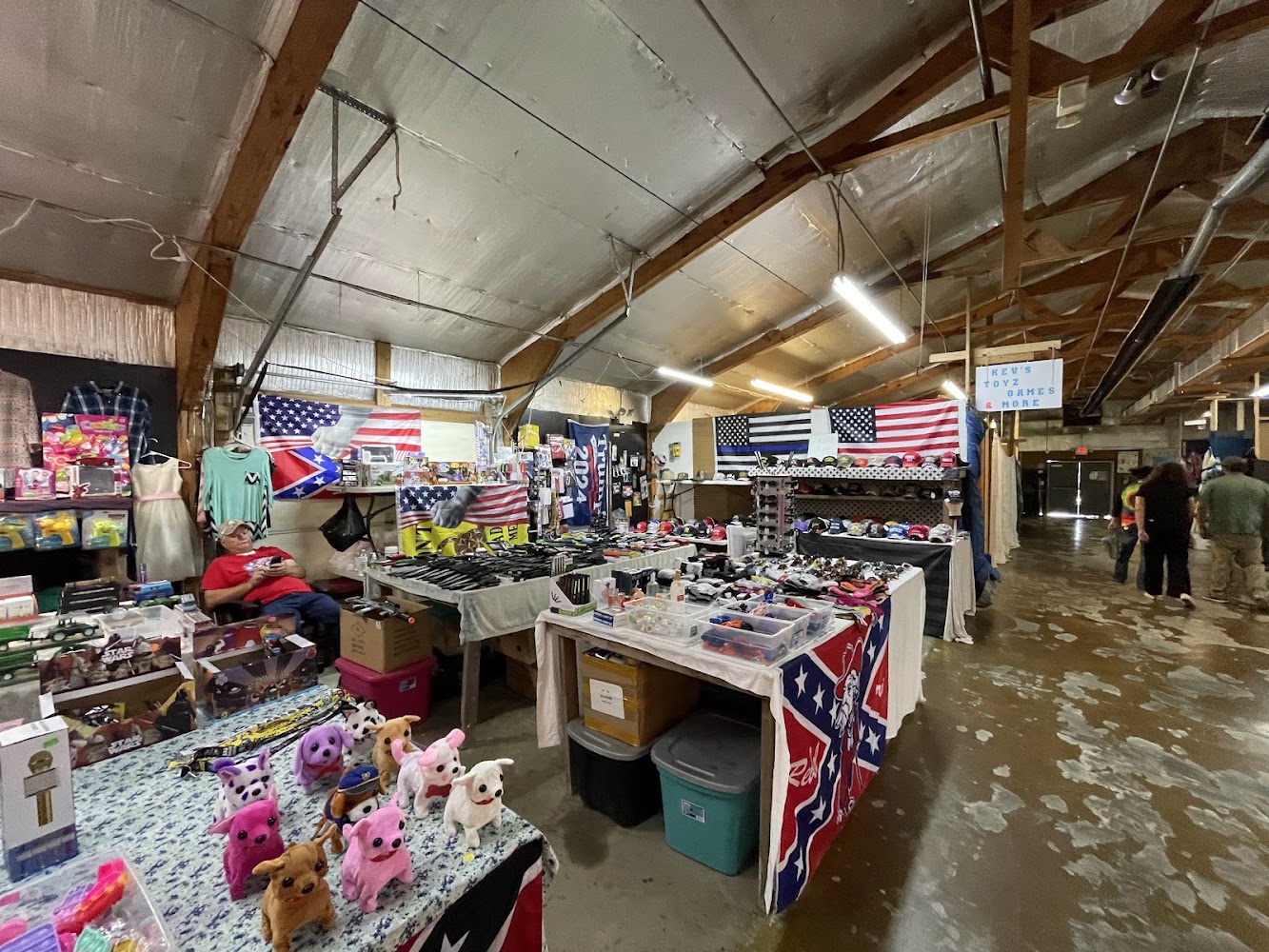
Common flea market styles include outdoor swap meets, indoor antique malls, farmers market hybrids, vintage markets, weekend community markets, and permanent vendor marketplaces with year-round booths.
How do you find the best flea markets near you?
The best flea markets often stand out through strong shopper reviews, vendor variety, cleanliness, food options, parking availability, and unique inventory. Many shoppers look for markets known for antiques, bargains, collectibles, or local handmade goods depending on what they want to buy.